

For more than two decades, website owners have relied on search engines to bring visitors to their websites. The formula was simple. Publish content, rank on search engines, and receive traffic from users looking for answers.
That model is now starting to change.
Artificial intelligence is becoming a major part of modern search experiences. Search engines are increasingly providing direct answers, summaries, recommendations, and contextual information before users ever click a website link.
This shift is forcing publishers, marketers, businesses, and content creators to rethink how they attract visitors online.
Bureau Verification Tools
The future of website traffic may look very different from what many website owners have experienced during the last decade.
Why Traditional Search Is Changing
For years, users searched for information by typing a query and clicking one of several blue links displayed on a search results page.
Today, AI-powered search experiences are introducing a new layer between the user and the website.
Instead of only displaying links, search platforms are now capable of generating direct responses based on information gathered from multiple sources.
This means users can often find quick answers without visiting multiple websites.
As AI capabilities continue improving, search behavior is changing alongside them.

How AI Search Engines Deliver Information Differently
Traditional search engines focus on ranking and displaying webpages.
AI-powered search systems focus on generating answers.
This difference is important because it changes how users consume information.
Instead of opening five articles to compare information, users can often receive a summarized response immediately.
For simple questions, this may reduce website visits.
For complex topics, however, users still need detailed research, expert analysis, and original reporting.
This creates a major opportunity for high-quality publishers.
Why Businesses Are Seeing Traffic Patterns Change
Many website owners started noticing unusual traffic fluctuations during the past year. Some pages that previously generated consistent organic traffic are now receiving fewer clicks despite maintaining strong search visibility.
At first glance, this appears confusing. Rankings remain stable, impressions continue increasing, but actual website visits are not growing at the same pace.
One reason is the way users now interact with search results.
When summaries provide immediate answers, users often find enough information without opening multiple websites. This behavior is especially common for simple informational searches such as definitions, explanations, and basic how-to content.
For businesses that rely heavily on informational traffic, this change can be significant.
However, not all websites are affected equally.
Websites publishing original research, expert commentary, industry analysis, case studies, and opinion-driven content continue attracting visitors because users need deeper information than AI summaries can provide.
The difference is becoming increasingly clear. Websites offering information are competing with answers. Websites offering expertise, perspective, and analysis are becoming more valuable.
Why Generic Content Is Losing Visibility
The internet already contains millions of articles covering identical topics.
Search for almost any common technology question and hundreds of websites provide nearly the same answer.
This creates a challenge for search engines.
If thousands of pages offer identical information, there is little reason to send users to every one of those pages.
This is one reason generic content is becoming less effective.
Articles that simply repeat publicly available information often struggle to differentiate themselves.
Examples include:
-
Basic definitions
-
Generic listicles
-
Rewritten industry news
-
Surface-level trend articles
-
Content created only to target keywords
Users increasingly expect unique insights rather than recycled information.
Search platforms are evolving in the same direction.
Instead of rewarding quantity alone, search systems are becoming better at identifying content that demonstrates expertise, experience, and originality.
This does not mean every article must contain groundbreaking research. It means every article should provide something useful that readers cannot easily find elsewhere.
For publishers, this shift creates an opportunity.
Rather than producing large volumes of similar content, investing in fewer but stronger articles may generate better long-term results.

The Rise of Research-Based Publishing
One trend becoming increasingly important is research-based publishing.
This approach focuses on creating content that adds value rather than simply summarizing information already available online.
Research-based publishing often includes:
-
Industry observations
-
Market analysis
-
Expert opinions
-
Trend forecasting
-
Original interpretations
-
Data-backed insights
-
Case studies
Readers spend more time engaging with content that helps them understand why something matters rather than merely describing what happened.
Technology publications have long followed this model.
Instead of writing articles such as "What Is Artificial Intelligence?", they publish deeper analysis such as:
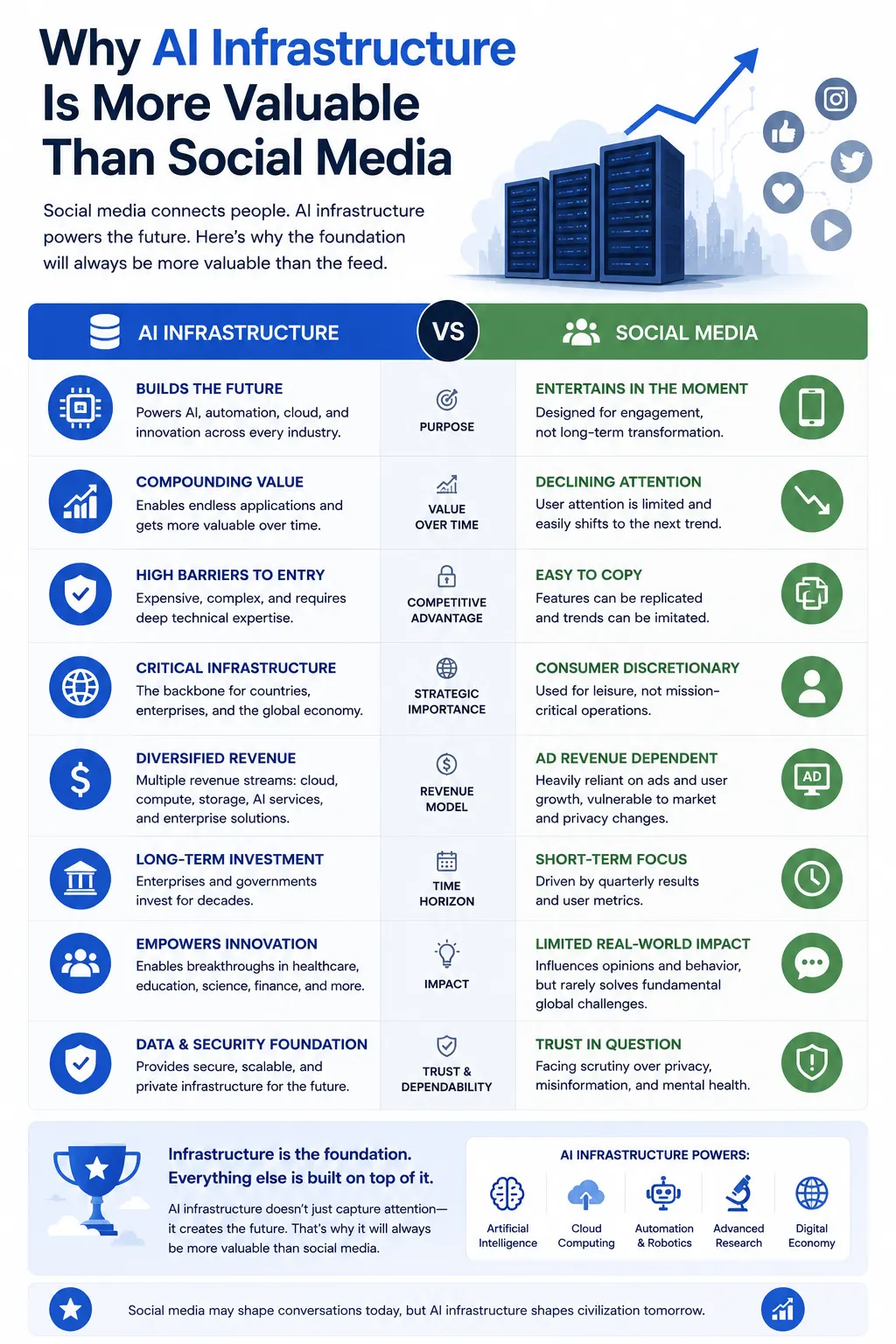
"Why AI Infrastructure Is Becoming More Valuable Than Consumer Applications"
The second topic creates discussion, encourages sharing, and attracts readers seeking meaningful insights.
Businesses, marketers, investors, and technology professionals increasingly value this type of content because it helps them make decisions.
For publishers, this represents a significant opportunity to build authority.
As summaries become more common, original analysis may become one of the strongest competitive advantages available.
What Website Owners Should Do Next
Website owners should not view AI search as a threat.
Instead, they should view it as a signal that content strategies must evolve.
Several practical steps can help publishers remain competitive.
Focus on Original Angles
Rather than covering topics that have already been discussed thousands of times, focus on unique perspectives and emerging trends.
Ask:
-
What is changing?
-
Why does it matter?
-
Who will be affected?
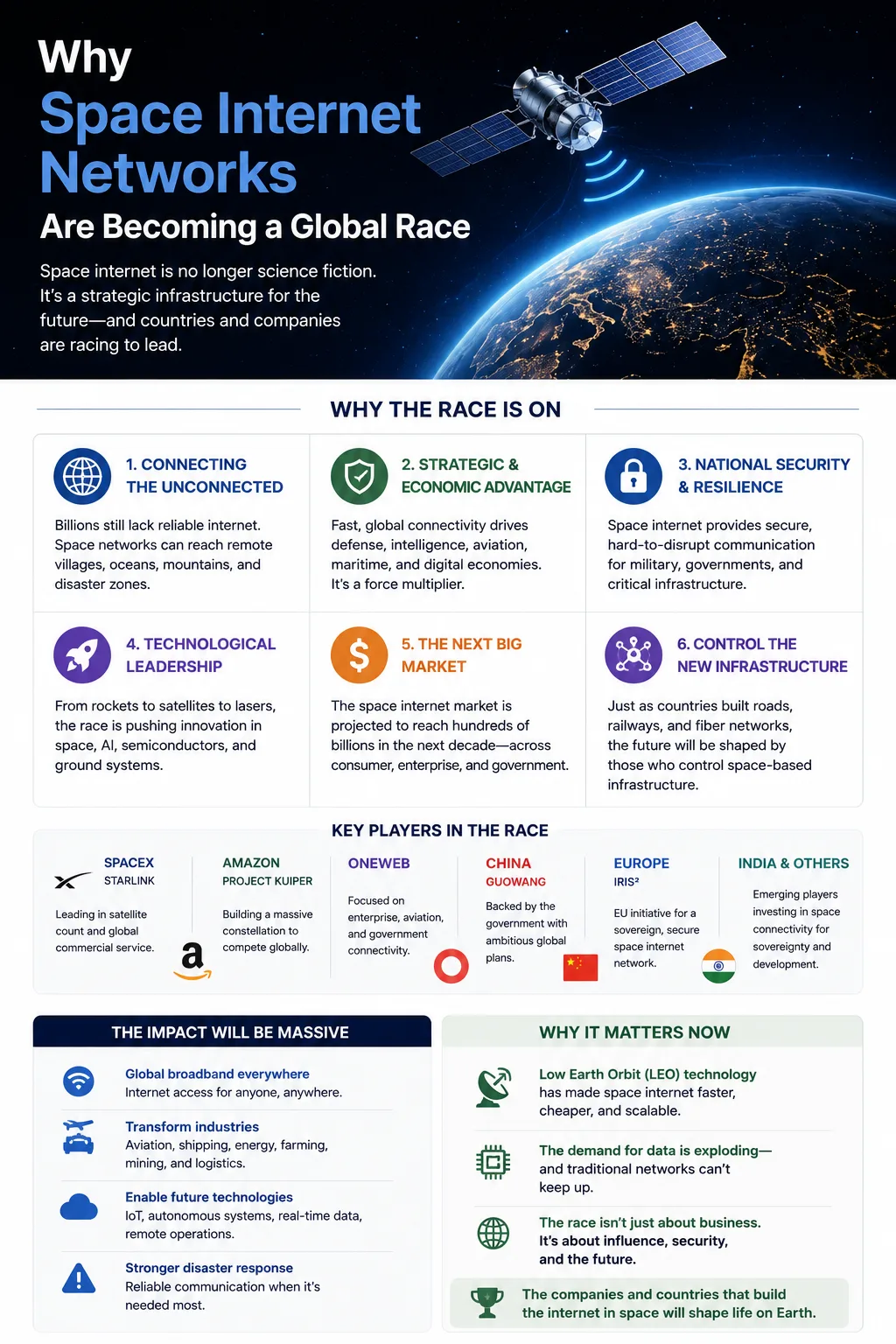
Strategic Intelligence Why Private Space Internet Networks Are Becoming a Global Business Battle -
What happens next?
These questions often lead to stronger content ideas.
Publish Fewer but Better Articles
Publishing large quantities of low-value content rarely builds authority.
A smaller number of high-quality articles can generate significantly better long-term results.
Build Topic Clusters
Instead of publishing unrelated articles, create groups of connected content around a specific theme.
For example:
AI Infrastructure
-
Why AI Search Engines Are Changing Website Traffic
-
Why AI Infrastructure Could Become the New Oil Industry
-
The Hidden Cost of AI Nobody Talks About: Water Consumption
-
Why Countries Are Competing for Data Centers More Than Factories
This structure helps search engines understand expertise within a subject area.
Strengthen Internal Linking
Internal links help both users and search engines discover related content.
Every article should naturally connect readers to other relevant reports and analysis.
Prioritize Trust Signals
Modern readers look for credibility.
Useful trust signals include:
-
Editorial policies
-
Author information
-
Sources and references
-
Updated publication dates
-
Transparent analysis
These elements improve both user confidence and overall publication quality.
Future Outlook
The future of search will likely involve a combination of traditional search results and experiences.
Users will continue searching for information, but expectations will change.
Simple questions may increasingly be answered directly within search platforms.
Complex questions, business decisions, industry research, and strategic insights will continue driving users toward authoritative websites.
This shift may create a divide between publishers.
Some websites will struggle because their content offers little beyond information already available elsewhere.
Others will thrive because they provide expertise, context, and analysis that AI systems cannot easily replicate.
The winners may not be the websites publishing the most content.
Instead, they may be the websites publishing the most useful content.
For technology publishers, this creates an opportunity to become trusted sources of insight rather than simply repositories of information.
Conclusion
AI search engines are changing the way information is discovered online.
The traditional relationship between search engines and websites is evolving as AI-powered systems become more capable of delivering direct answers and summaries.
For website owners, this change does not signal the end of organic traffic. Instead, it highlights the growing importance of authority, expertise, and original analysis.
The future belongs to publishers that move beyond generic content and focus on helping readers understand trends, opportunities, risks, and industry developments.
As search technology continues advancing, the value of unique perspectives may become more important than ever.
Websites that invest in research-driven publishing today are likely to be better positioned for the future of search tomorrow.
Frequently Asked Questions
Will AI search engines reduce website traffic?
Some informational websites may experience lower click-through rates for simple queries. However, websites publishing original analysis, research, and expert insights can continue attracting valuable traffic.
What type of content performs best in AI-powered search?
Content that offers unique perspectives, industry expertise, original research, data-backed analysis, and practical insights tends to perform better than generic informational content.
Is SEO still important in 2026?
Yes. SEO remains important, but modern SEO increasingly focuses on authority, content quality, user experience, and topical expertise rather than keywords alone.
How can publishers adapt to AI search?
Publishers should focus on creating high-value content, building topic clusters, strengthening internal linking, and offering insights that cannot easily be replicated by summaries.
What is research-based publishing?
Research-based publishing involves creating content supported by analysis, observations, industry trends, data, and expert interpretation rather than simply repeating publicly available information.
Sources & References
Google Search Central:
https://developers.google.com/search/docs
Google Search Central Blog:
https://developers.google.com/search/blog
Google Search Quality Evaluator Guidelines:
https://developers.google.com/search/blog/2022/12/google-raters-guidelines-e-e-a-t

Bureau Discourse
Participate in the Analysis
Your contribution is subject to editorial moderation.