AI & Automation The Engine Behind the Next Industrial Shift
AI and automation are no longer experimental technologies sitting inside labs they have quietly become the backbone of how modern systems operate. From the way businesses analyze data to how decisions are executed at scale, intelligent automation is shaping outcomes faster than traditional workflows ever could.
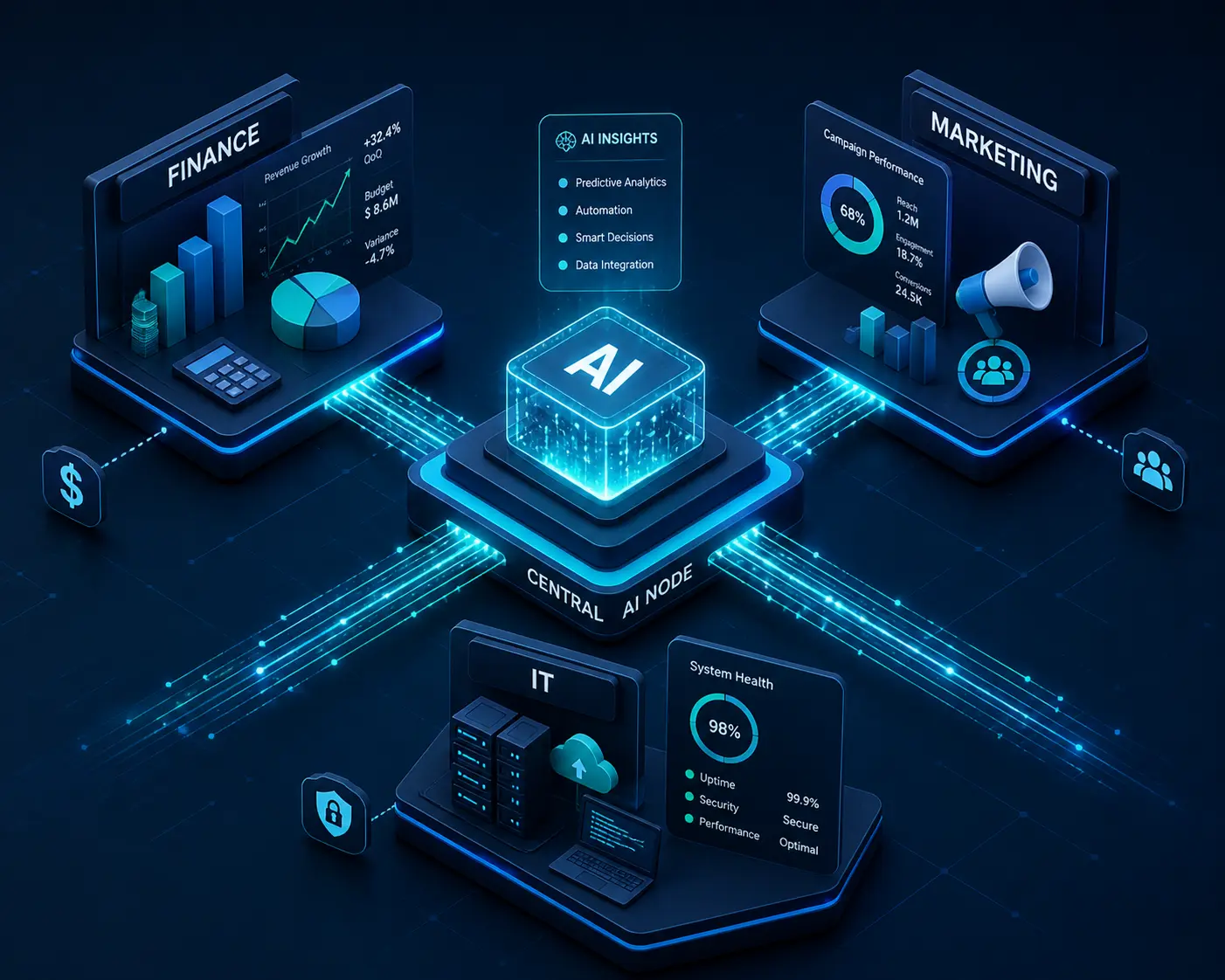
At its core, artificial intelligence is about pattern recognition and decision-making. Automation, on the other hand, is about execution. When these two combine, the result is a system that not only performs tasks but continuously improves how those tasks are done. This shift is what separates basic digital tools from truly intelligent systems.
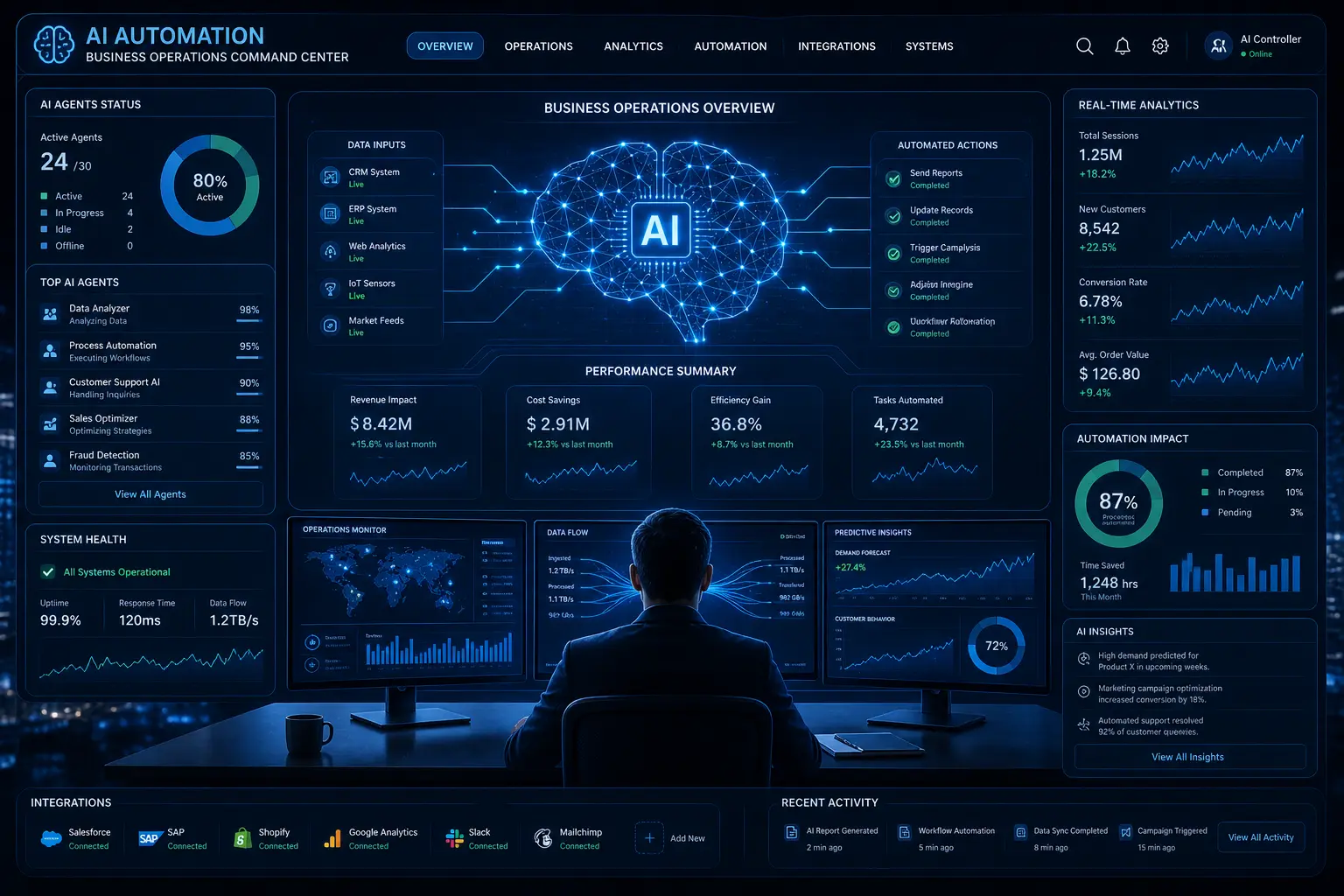
Across industries, the impact is already visible. In finance, algorithms detect fraud patterns before they escalate. In healthcare, automated diagnostics assist professionals in identifying anomalies earlier than ever. In manufacturing, predictive systems reduce downtime by identifying failures before they occur. What used to require constant human supervision is now handled through adaptive processes that learn and optimize over time.
However, the real value of AI and automation is not just efficiency it’s consistency and scalability. Humans are excellent at creativity and judgment, but repetitive tasks often introduce variability. Automated systems eliminate that inconsistency, allowing organizations to scale operations without proportionally increasing complexity.
For individuals and businesses, understanding this space is no longer optional. The question is no longer “Will automation replace tasks?” but rather “How can automation be used to enhance decision-making and productivity?” Those who learn to integrate AI into their workflows gain a structural advantage not because they work harder, but because they operate smarter.
At FactoraHub, the focus is not just on explaining these technologies, but on breaking them down into practical, usable insights. Whether it’s tools, frameworks, or strategic analysis, the goal is to help readers move beyond theory and understand how AI and automation can be applied in real-world scenarios.
FAQs
What is the difference between AI and automation?
AI focuses on learning and decision-making, while automation focuses on executing predefined tasks. When combined, they create systems that can both decide and act.
Is automation replacing jobs completely?
Not entirely. It is replacing repetitive tasks, but also creating new roles that require oversight, strategy, and system design.
Why is AI important for businesses today?
Because it enables faster decision-making, reduces operational cost, and allows scaling without increasing manpower.